The home of architecture and design in the Asia-Pacific
Get the latest design news direct to your inbox!

Get the latest design news direct to your inbox!
The Lace Fence recreates cyclone fencing with adaptable decorative craftmanship
February 18th, 2013
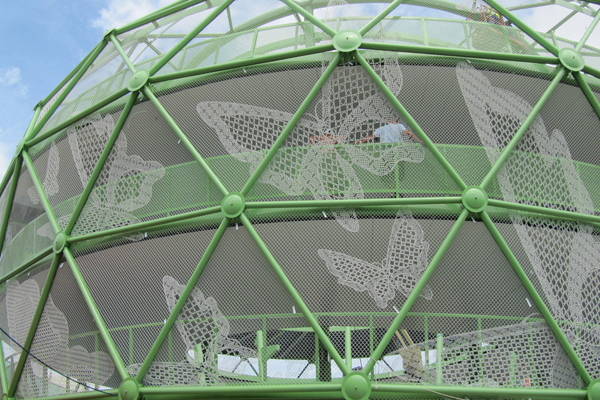
The Lace Fence is a high end metal fabric that reinterprets the cyclone fence – known for its ugliness and negative connotations. Created by Dutch design house Demakersvan, they took their cue from the ancient art of lacemaking.
In their hands, the industrial chain link fence becomes a canvas for beautiful images, company logos and a friendlier meaning – while still performing its safety function.

The designs are created within the pattern of chain linkage. This can become anything from antique lace floral to contemporary designs, or custom art patterns designed in close collaboration with a client.

The design possibilities are endless, and all patterns are fully adaptable in terms of scale, mesh width, size and material to suit individual projects.
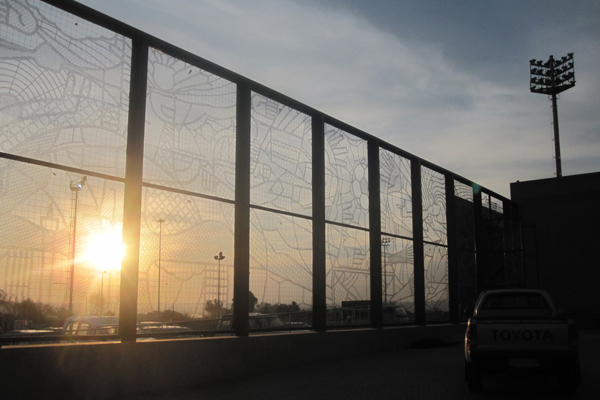
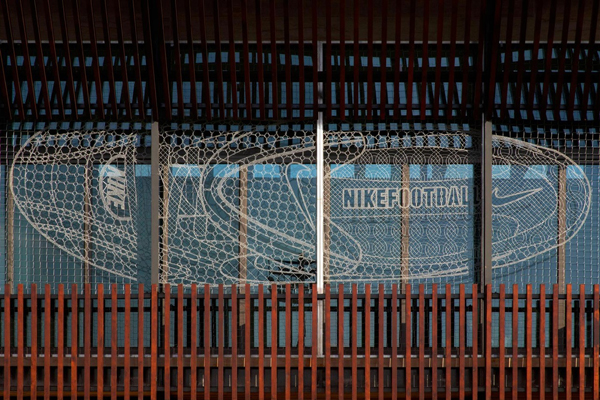
The commercial and aesthetic properties of Lace Fence are already being harnessed. It has been used in the Nike Training Stadium in South Africa and in the shop fit-outs of fashion labels such as Hugo Boss and Wrangler.
It’s also currently enjoying tenure as a feature of the Powerhouse Museum’s Love Lace exhibition, which brings together 130 lace works from 134 artists from 20 different countries.
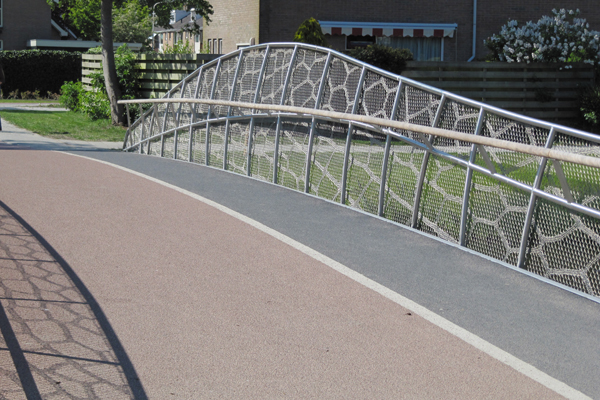
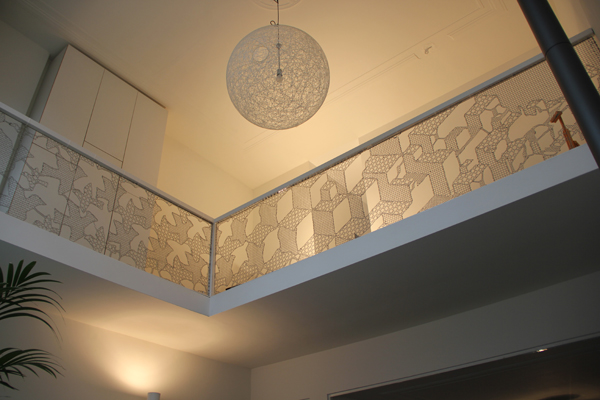
Lace Fence removes the hostility and stark industry of the chain link fence, and recreates it with a sense of kindness and craft. It makes ideal balustrading in aged care facilities, where secure fencing is a necessity, but the warmth of emotion and softness of lace designs a comfort to the inhabitants.
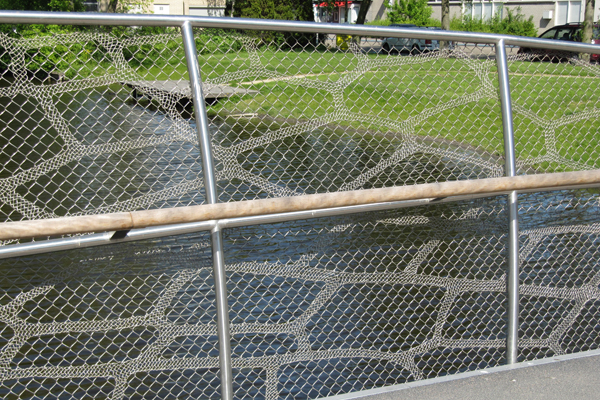
It is being used both outside and inside, for example as interior decorative screening, and stand alone screens for restaurants.
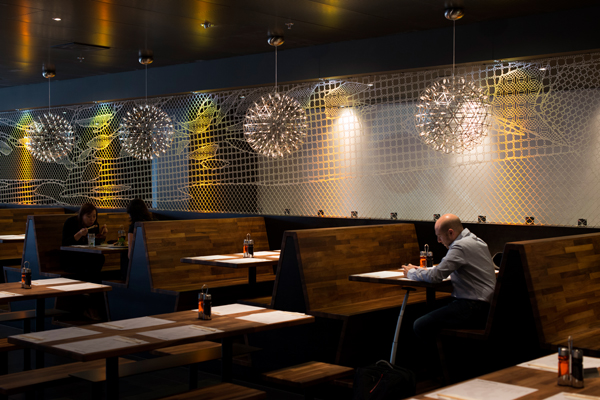
Rather than going along with the bare prison feel of cyclone fencing, the Lace Fence empowers organisations to create a unique environment with connotations of their choosing – without losing any functionality.
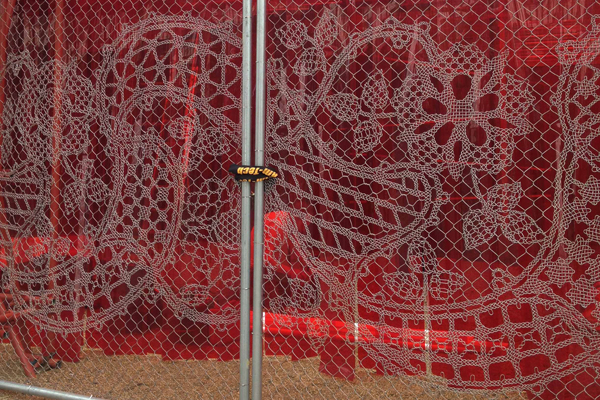
Seehosu
INDESIGN is on instagram
Follow @indesignlive
A searchable and comprehensive guide for specifying leading products and their suppliers
Keep up to date with the latest and greatest from our industry BFF's!
The internet never sleeps! Here's the stuff you might have missed